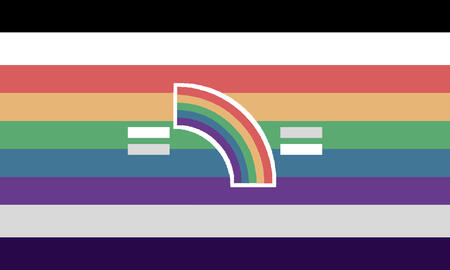
Coexistinclus =🌈=
Queer identities have always existed in many forms, and they’ve always coexisted. Everyone’s identity is self-assigned, personal, and shaped by their own experiences. Some identities have clear boundaries or categories (Ulexens), while others bend or challenge traditional expectations (Daylilians). Both are valid, both are real, and both deserve acknowledgement.Why was this made?
This carrd is a personal project made to help me sort out my own identity and dysphoria, and hopefully help others who feel similarly. It was created as a way for me to better understand my own identity (Ulexen), while also learning to understand and respect Daylilian identities. These tend to clash, mainly in online spaces, so this is also meant to serve as an educational carrd to help people better understand those differences. This isn’t about dividing the community, but about understanding and coexistence. I also just find learning about queer identities really interesting, which is also part of why I made this.NOTE
These aren’t meant to divide the LGBTQ+ community or police anyone’s identity. They’re just identity frameworks to explain how different people relate to labels, categories, and dysphoria. Nobody has to use any of these terms. They just help explain how nuanced queer identity can be. Two people with the same label may have completely different lived experiences.
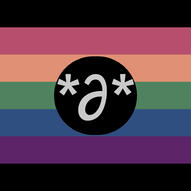
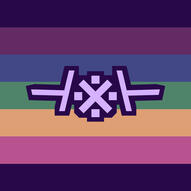
+FYI : both of these are inclusive of a-specs, neopronouns, xenogenders, pronoun nonconformity, nonbinary+ transmascs lesbians (not all transmascs are binary men), nonbinary+ transfem gays (not all transfems are binary women)Ulexen and Daylilian are not opposites, just different ways people relate to identity, labels, and categorization.This is meant to summarize a lot of things as clearly as possible, but not every nuance or experience may be included. Everyone’s experience can still differ.
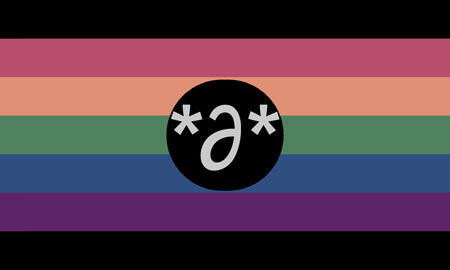
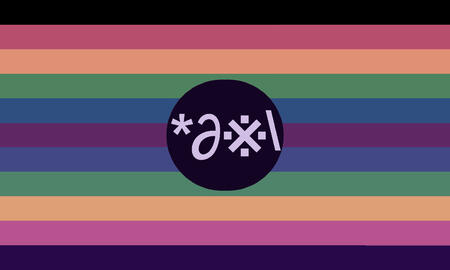
Ulexen * ∂ *
When one's queer identity and the labels one uses is organized or defined in a more structured way, often with clear boundaries so that one can be affirmed or euphoric with themselves and others— Mono : mono-Lesbians, mono-Gays, mono-Hets (transhets / nbyhets) [Including a-specs who are also mono] Ulexen mono-gays/straights are exclusively attracted to one gender (and possibly others genders similar to that one such as those under the nonbinary umbrella) their attraction OR interest is exclusive to their preferred gender, even if some may have attraction to other genders it’s irrelevant to their identity and they don’t identify as mspec at all.— Mspec : Bi, Pan, Omni, Ply, Hetero/Homoflexible and any other specific labels such as Sapphic and Achillean, those who combine these mspec terms (bi-homoflexible, pan-omni, bi-sapphic , omni-achillean), etc [Including a-specs who are also mspec] Ulexen Mspecs May only want to be seen as their respective mspec identity (they don’t identify as mono) or a combination of mspec orientations, regardless if they have preferences or not.— GNC and or Trans men/women who are and want to be seen as socially equal or similarly categorized with conforming cis men/women, despite their experiences, agab and/or presentation, or not wanting to note differences and just wanting be seen as socially equal to most binary men/women. Some may also be under the nonbinary umbrella : such as *some Demiboys/girls still wanting to be similarly categorized in some way with their binary counterparts.— And any others who feel as though their identity in some way fits under this
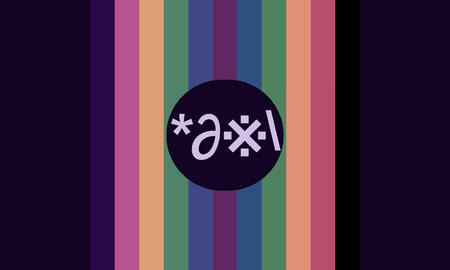
Dualilian *a※\
Being both Ulexen and Daylilian, fluid between them, or existing somewhere in between.
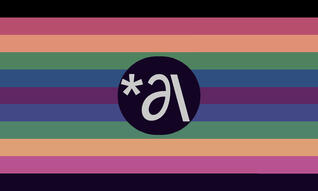
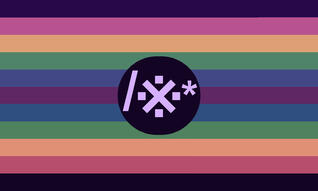
(LEFT) Dulexen * ∂\ -Mostly Ulexen, with some Daylilian traits or alignment.(RIGHT) Dialilian /※*- Mostly Daylilian, with some Ulexen traits or alignment.
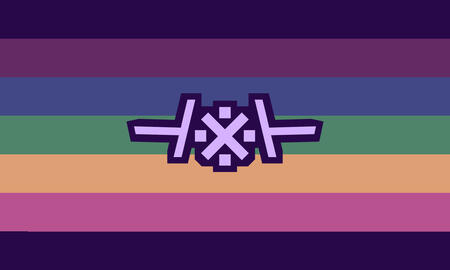
Daylilian /※\
When ones queer experiences, identity, and or the labels one uses may appear contradictory or nontraditional from an outside perspective. However It is done with intent of authenticity of themselves and their own life, and not to specific standards or expectations.— Mspec-Mono: Mspec-Lesbians, Mspec-Gays , Mspec-straights : Bi-Lesbians, Bi-Gays, Pan-straight & many other possible combinations.
Reasons : having a strong preference, fluid attraction (Abrosexual), using the split attraction models, or just feeling a strong attachment to both experiences that they feel inseparable [Including a-specs who are also mspec-mono]— Mono x Mono : Gaybians, Gayhet, Straightbians, etc other combinations : Commonly used by Nonbinary or Multi-gendered folks who feel their attraction very distinctive due their gender or experiences but could also just be Abro/fluid between these orientations [also includes a-specs who identify with these terms aswell]** Usually under the nonbinary or multigender umbrella and/or not wanting their identity to be categorized or compared to cis people of their gender **
— GNC Trans or Cis Genderqueer Men, who reclaim, feel attachment, comparable, capable of being, and or compatible with sapphics, and lesbians (some possibly feel compatible with straight men) /// GNC Trans or Cis Genderqueer Women, who reclaim, feel attachment, comparable, capable of being, and or compatible with (mlm) achilleans, and gay men. (some possibly feel compatible with straight women) [also inclusive of a-specs who identify this way]— And any others who feel as though their identity in some way fits under this
FAQ🌈What are Ulexen and Daylilian exactly? Are they identities?
They’re not necessarily identities themselves (though they can be for some people). They’re more like frameworks or common ways people relate to identity, labels, and categorization.⸻So are Ulexen and Daylilian opposites?
No. They’re not opposites or hierarchies. They describe different ways people relate to identity, labels, and categorization. Some people prefer clear structure (Ulexen), while others relate more to fluid or nontraditional experiences (Daylilian). Both are equally valid.⸻Is one more “valid” or “correct” than the other?
No. Neither is more valid. These terms are not meant to rank identities, only to describe different experiences and preferences in how people understand themselves.⸻Isn’t this invalidating other identities?
No. These terms are meant to describe personal experiences, not to redefine or invalidate existing identities. Different experiences can exist at the same time without canceling each other out.⸻Is this trying to separate or divide the LGBTQ+ community?
No. This was created to explain differences in experience, not to divide people. The goal is understanding and coexistence, not separation.⸻Why create new terms for this?
Language is always evolving, and new words are created all the time. These terms were made in hopes of helping people better describe themselves and reduce confusion or dysphoria around identity.⸻Who can use these terms?
Anyone who feels they fit. These are self-assigned descriptors, not strict categories. If it resonates with your experience, you can use it.⸻Do I have to fully understand this to respect it?
No. Understanding isn’t required for respect. People can have different experiences without them needing to fully make sense to everyone.⸻What if I’m Coexistinclus but I don’t understand or relate to Ulexen or Daylilian?
That’s okay. Not every identity or experience will make sense to everyone. These terms exist for the people who do relate to them.⸻Do I have to use these labels?
No. These are optional, not requirements. Use them if they help, ignore them if they don’t.
✅
Pro-mogai
Pro - all non harmful queer identities in general❎ Against transmeds (for being transphobic), radqueers (for harmful identities/behavior), and the way “radinclus” has been taken over or ruined by them even though the term had good intentions which is why I created a more specific alternative like this one